You sit through a long meeting, scribble pages of notes, then stare at them later and draw a blank. Key points vanish despite the effort. Traditional notes often look like endless lists or outlines. They capture info in a straight line.
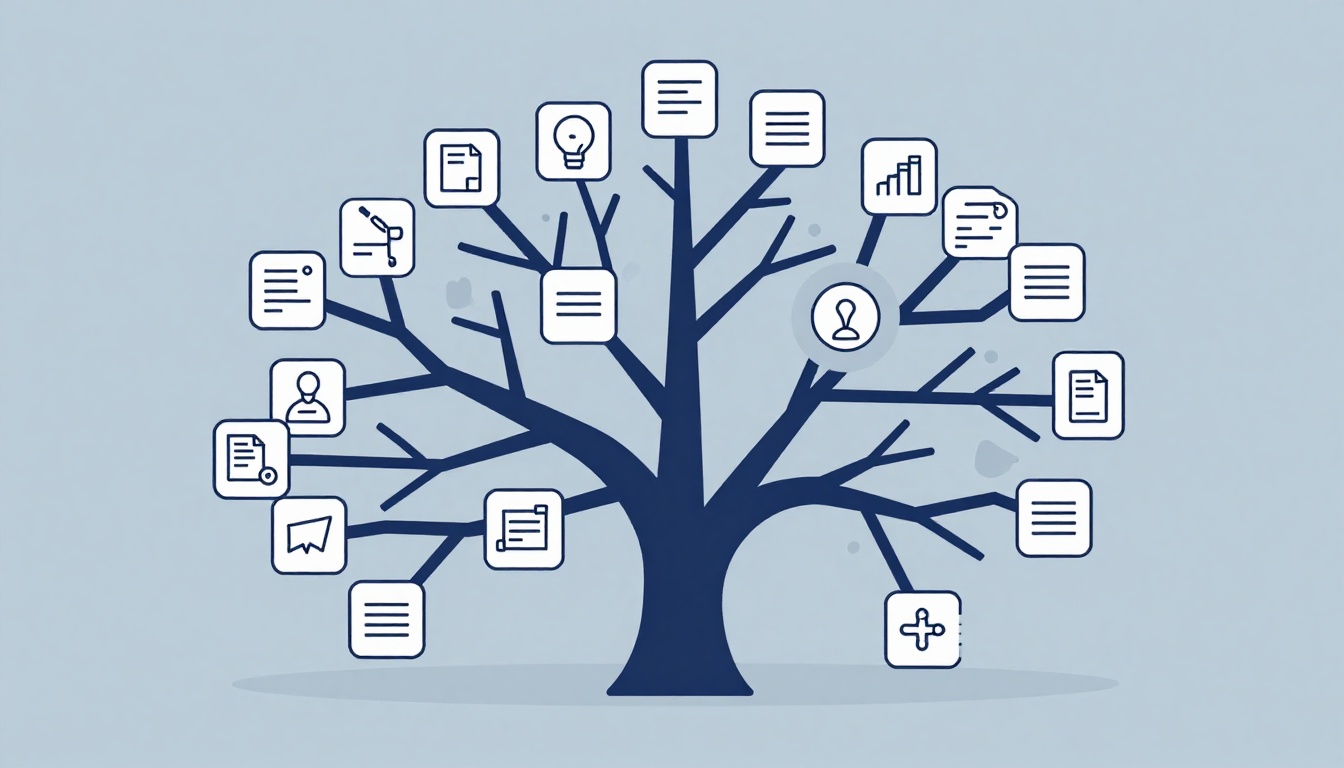
Mind maps change that. They start with a central idea and branch out visually, like a tree. So, how do these two methods really differ? You’ll see contrasts in structure, visuals, flexibility, memory boosts, and fresh trends. Pick the right one for your brain and watch productivity rise.
Why Mind Maps Branch Out While Notes Stay in Line
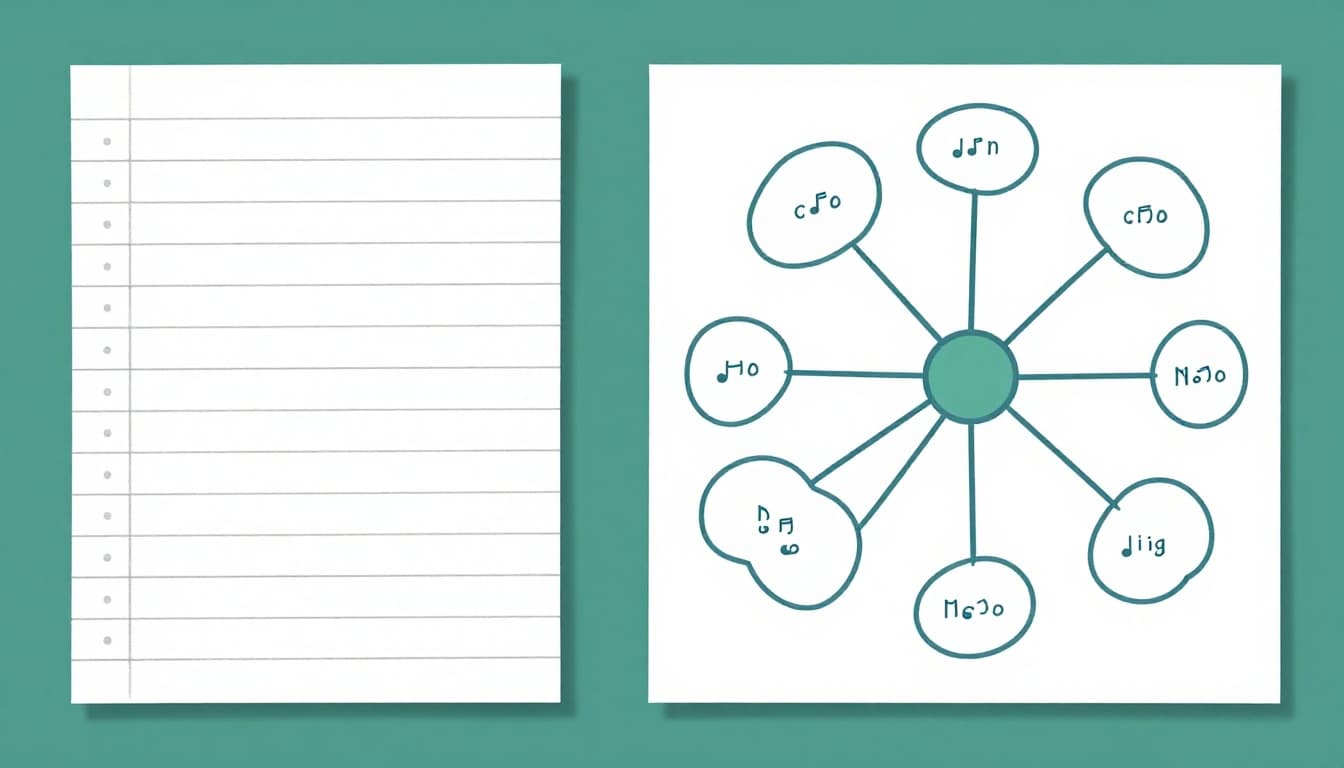
Traditional notes march down the page in a fixed order. They mimic a straight road. You follow top to bottom or left to right. This works for simple sequences. Yet, it buries connections between ideas.
Mind maps flip that script. They place the main topic smack in the center. Branches spread outward like limbs on a tree. Ideas connect freely. This matches how your brain links thoughts. For example, class notes stay linear and stiff. Party planning thrives on branches for food, guests, and music.
Traditional Notes Follow a Predictable Path
Bullet points top the list for quick hits. Numbered outlines build steps clearly. The Cornell method adds boxes for cues and summaries. These shine in lectures. Info flows one piece at a time.
However, links hide easily. You scan pages for ties between points. Rewrite becomes a chore if order shifts. Still, they suit ordered tasks well.
Mind Maps Radiate from One Central Spark
Start with a bold central word or image. Draw thick lines for main ideas. Add thinner branches for details. History study works great here. Central “World War II” branches to battles, leaders, dates.
Non-linear paths let you jump around. Complex topics click faster. No rigid start or end traps you.
How Colors and Images Make Mind Maps Unforgettable
Black text fills traditional notes. Bullets and indents organize them. You write fast, but pages blend into boredom. Scanning takes time. Flip through notebooks often.
Mind maps pop with color. Assign blue for facts, green for examples. Doodle icons like a lightbulb for ideas. Curved lines guide your eye smoothly. One page holds it all.
This taps dual coding. Words pair with pictures for twice the stickiness. Your brain recalls faster. Check traditional notes vs. mind mapping comparisons for visual examples.

Colors group ideas at a glance. Images trigger memories without reading every word. Notes demand full review. Mind maps let you spot patterns quick.
Unlocking Flexibility That Traditional Notes Lack
Add a thought mid-stream in notes? Cross it out or squeeze it in. Whole sections shift, pages crumple. Digital notes help a bit, but rewrites drag.
Mind maps bend easily. Drag branches around. Grow new ones without mess. Digital apps offer zoom and infinite space. Brainstorm a project? Ideas flow as they come.
Picture editing on the fly. One branch expands for details. Collapse others to focus. Share links instantly with teams. Traditional notes stay stuck in notebooks.
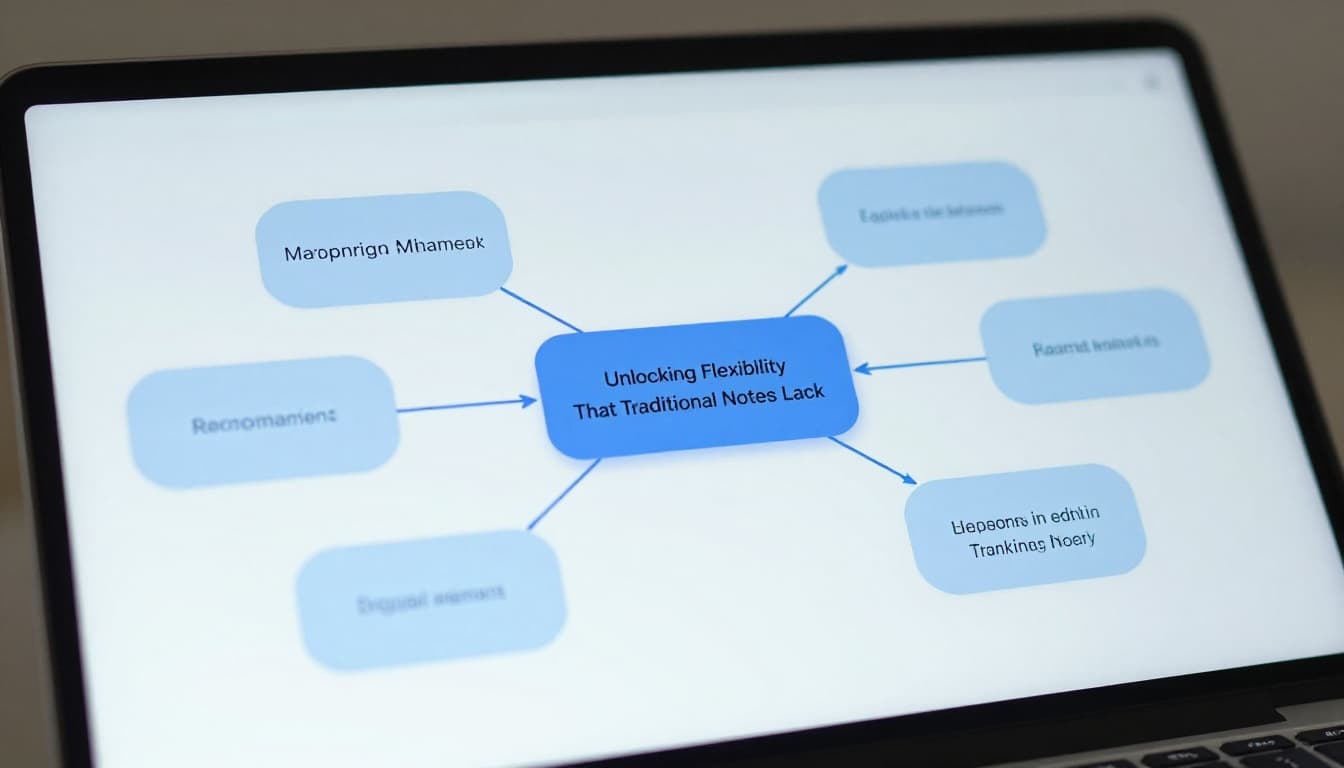
Apps make this seamless. No page limits slow you down. Notes force linear changes. Mind maps adapt like your thoughts do.
Memory and Productivity Edges You Can Feel
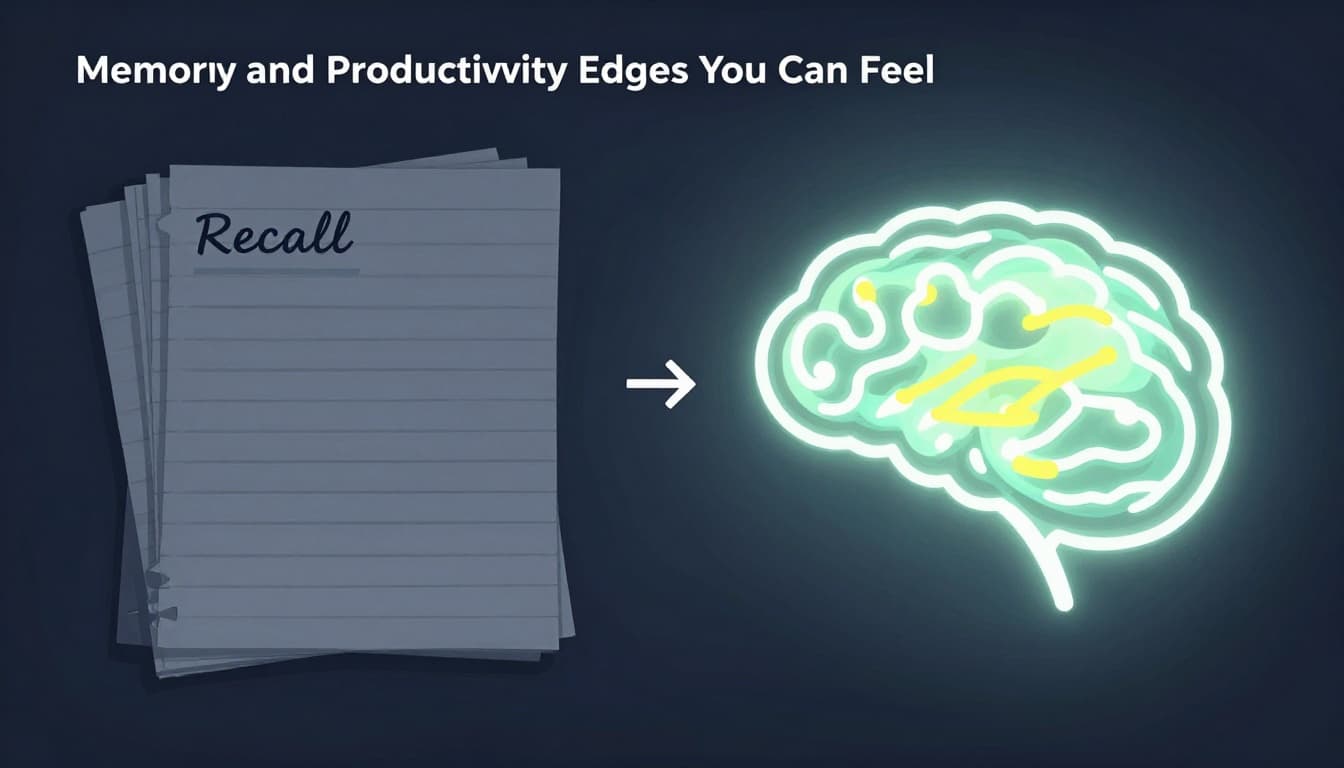
Mind maps trigger recall through position and color. A branch’s spot pulls linked ideas back. Notes rely on lists and repetition. Big-picture views fade.
Productivity jumps too. Chunk tasks visually. Plan essays with branches for intro, body, close. Notes handle quick summaries best.
Here’s a quick comparison:
| Use Case | Traditional Notes | Mind Maps |
|---|---|---|
| Brainstorming | Fair | Excellent |
| Lectures | Excellent | Fair |
| Memory Aid | Lists | Visual Cues |
| Productivity | Structured | Creative |
Mind maps win for complex links. Notes keep linear flows tidy. Mix them for best results.
Smarter Recall Through Links and Visual Cues
Branches mimic brain paths. One idea sparks others. Position acts as a hook. Colors and icons reinforce. Notes need rote drills.
Studies back this. Visuals build stronger ties.
Get More Done with the Right Tool for the Job
Use mind maps for projects or storms. Grab notes for talks. Both together max output. Test what fits your flow.
Fresh Insights from 2026 Studies and Trends
Handwritten mind maps forge personal links for recall. Digital versions excel at edits. Collapse branches for quizzes. Auto-flashcards pop up.
A 2026 Nature Neuroscience study mapped mouse brains. It showed layered neuron work matches mind map hierarchies. Slow neurons integrate; fast ones decide quick. Flat notes miss this.
Students mix methods now. Quick maps fix weak spots. See note-taking systems compared in 2026. Apps like MindMap AI auto-build them. Hybrids with doodles rise. No big handwriting edge; tools cut errors and share easy.
Medical student trials confirm mind maps lift exam scores over linear notes. Trends favor visuals for long-term memory via the protege effect. You explain as you map.
Mind maps suit most brains better.
Mind maps stand out with radial setups, colors, easy changes, and brain matches over straight-line notes. Visual branches boost recall and flow. Start simple on tough topics.
Grab paper or an app. Map your next project. Which method clicks for you? Share results in comments.