
Picture this. You stare at a long to-do list for your next big project. Tasks pile up with no clear links between them. Overwhelm hits hard because everything feels flat and disconnected.
Lists work fine for quick chores like buying milk or calling the dentist. They keep things simple and linear. But mind mapping changes that. You start with a central idea. Branches spread out like tree limbs to show connections, colors, and details. This visual setup matches how your brain works.
Studies back it up. Mind maps boost memory retention by 10 to 30 percent. They also spark up to 50 percent more ideas than lists. Recent 2026 guides confirm productivity jumps of 20 to 30 percent for complex tasks. So when should you ditch lists? Use mind maps for brainstorming, project planning, learning new info, solving problems, and team efforts. Let’s break down the signs, top scenarios, real examples, and tools to get you started.
Spot the Signs Your List Is Holding You Back
Lists force straight-line thinking. One item per line sounds neat at first. But as ideas grow, they hide key links. You miss how tasks depend on each other. Chaos sets in fast.
Take vacation planning. Your list has flights, hotels, and activities. No arrows show how a cheap flight affects hotel choices. Frustration builds. Mind maps fix this. Branches reveal the big picture right away.
Recent productivity data shows lists limit you to one thought per spot. Mind maps let ideas branch freely. This sparks non-linear thinking your brain craves.
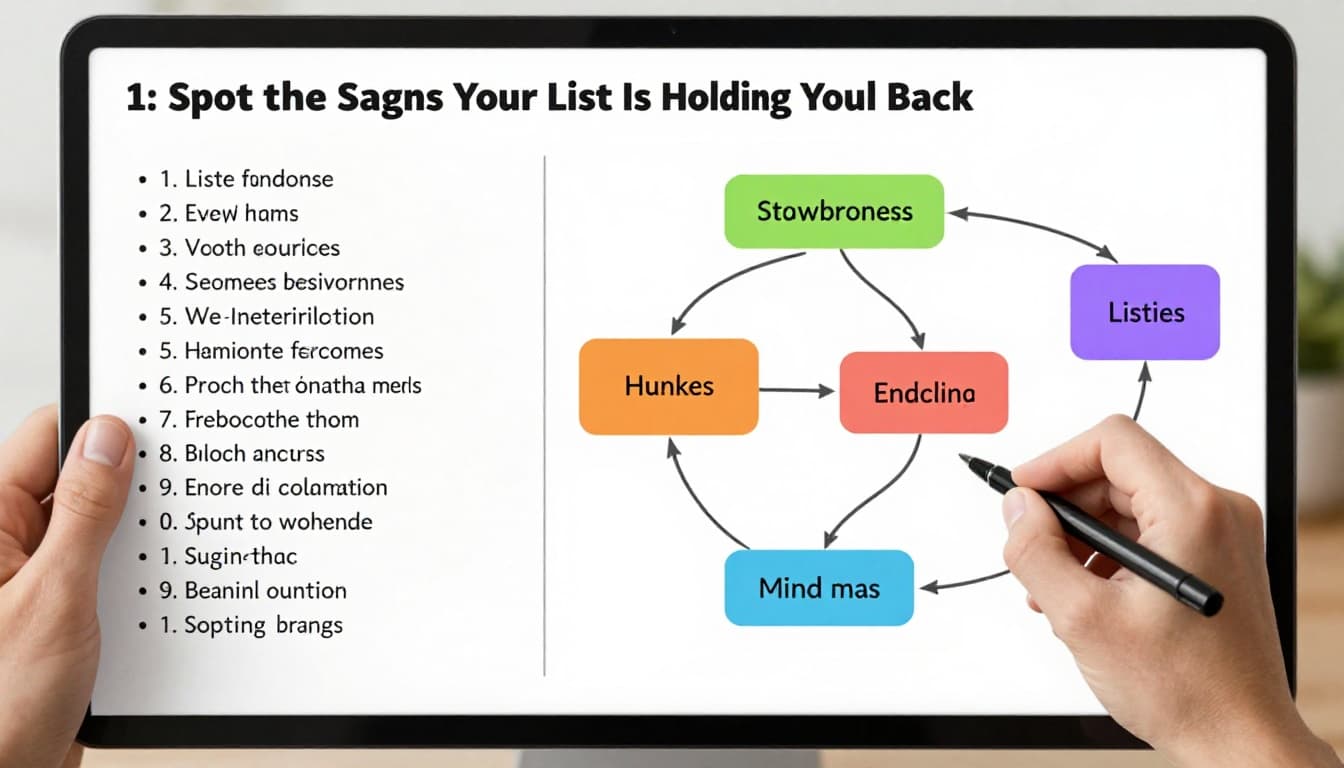
Here’s a quick look at strengths and weaknesses. Lists shine for simple steps. Mind maps win on flexibility and recall.
| Aspect | Lists | Mind Maps |
|---|---|---|
| Best For | Daily chores, sequences | Complex links, ideas |
| Speed | Fast to jot down | Quick to rearrange |
| Memory Aid | Needs repetition | Visual boosts 10-30% |
| Creativity | Linear, one per line | Branches spark 50% more |
For more on why mind maps beat linear notes for tough problems, check this analysis on complex idea handling.
Overwhelmed by Too Many Moving Parts
Projects with dependencies scream for mind maps. Event planning fits perfect. Tasks like venue booking link to catering and invites.
Lists bury these ties. You spot missed deadlines too late. Branches make links pop with lines and colors. Priorities stand out. Stress drops.
One project manager shared how lists caused delays. She switched to maps. Her team finished 25 percent faster.
Stuck in a Creativity Rut
Brainstorming sessions flop with lists. They demand order too soon. Wild ideas get boxed in.
Mind maps free your thoughts. Jump between branches without rules. Chuck Frey’s data shows 50 percent more ideas flow this way.
Next, see the top spots where mind maps pull ahead.
Unlock These 5 Scenarios Where Mind Maps Shine Brightest
Mind maps match your brain’s wiring. Visual branches cut through info overload. You gain faster planning and better recall. Surveys note 20 to 30 percent productivity lifts.
Start simple in each case. Pick a central node. Add main branches. Color code for clarity.
Brainstorming Fresh Ideas Without Limits
Lists lock you in sequence. Mind maps let concepts bounce around.
Content creators love this. Map blog topics from one core idea. Branches for SEO, trends, and hooks appear fast.

Studies confirm 50 percent more ideas. No rigid order holds you back.
Planning Big Projects with Clear Connections
Break down goals visually. Spot bottlenecks early.
Product teams map features to user issues. Priorities link up. Time savings hit 20 to 30 percent per team surveys.
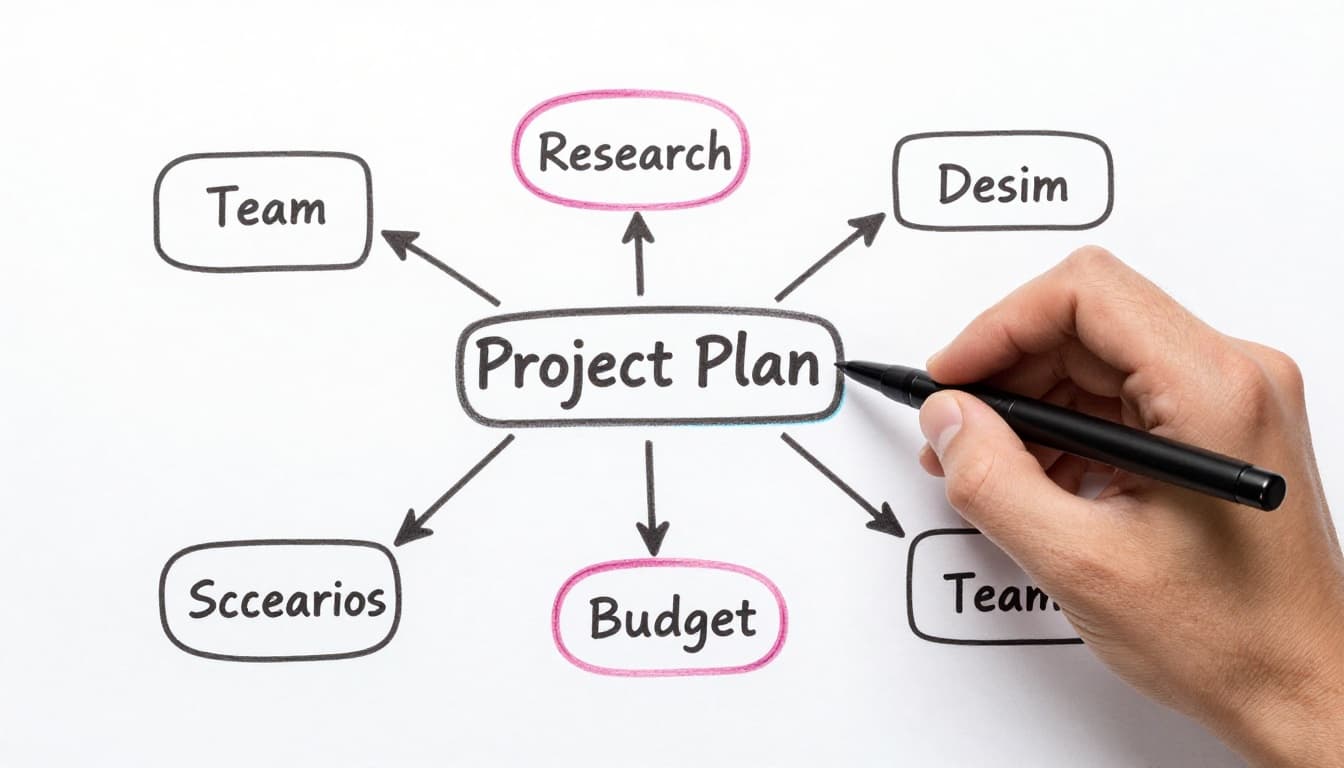
For templates on project mind mapping, see Miro’s planning guide.
Studying Smarter to Make Info Stick
Link new facts to what you know. Branches build recall.
Students map essay outlines. Facts connect via colors and images. Retention jumps 10 to 30 percent over rote lists.
One student cut study time in half. Her grades rose too.
Tackling Tough Problems and Decisions
List all factors. Branches show pros, cons, and ties.
Weigh options without linear bias. Decisions clarify fast.
Boosting Team Collaboration Effortlessly
Share digital maps for real-time edits. Remote teams thrive in 2026.
Everyone builds on ideas. Cursors show live changes.

Tools like these fit remote work perfect.
Real Wins: Stories and Stats Proving Mind Maps Deliver
Students ace essays with maps. They link themes better than lists. Recall improves 30 percent.
Product teams spot fixes early. One group saved weeks by mapping user feedback links.
Content writers build hubs fast. Branches turn one post into series ideas.
In 2026, tools add outline modes. Convert maps to lists easy. Non-linear apps handle info chaos.
Surveys show 20 to 30 percent productivity gains. Frey notes creativity doubles.
Here’s a snapshot:
| Metric | Mind Maps Gain | Source Notes |
|---|---|---|
| Productivity | 20-30% faster | Team surveys |
| Memory | 10-30% better | Visual studies |
| Ideas | 50% more | Frey data |
Busy execs prefer maps over checklists for oversight. See seven key reasons why.
I mapped my life goals once. Connections jumped out. Action felt clear.
Ready to Ditch Lists? Top Tools and Quick Start Tips for 2026
Modern tools mix maps and outlines. Switch views with one click.
Top picks from 2026 reviews include Flowodo for AI maps, Miro for teams, and Xmind for structure. Flowodo tops for quick AI generation at low cost.
Start easy. Choose a central idea. Branch main topics. Add colors and icons. Drag to rearrange.
Digital beats paper for shares. But sketch by hand first if you like.
Don’t overdo details. Keep it simple. Gitnux ranks the best options.
These tie back to big wins like faster teams and sharp recall.
Mind maps fit complex, connected thinking. Lists handle simple steps best.
Recall that overwhelmed list from the start. Maps turn chaos into clarity.
Grab a free tool like Miro today. Pick one scenario, like brainstorming. Map it out this week.
What’s your next map for? Visual thinking trends strong in 2026. Jump in now.