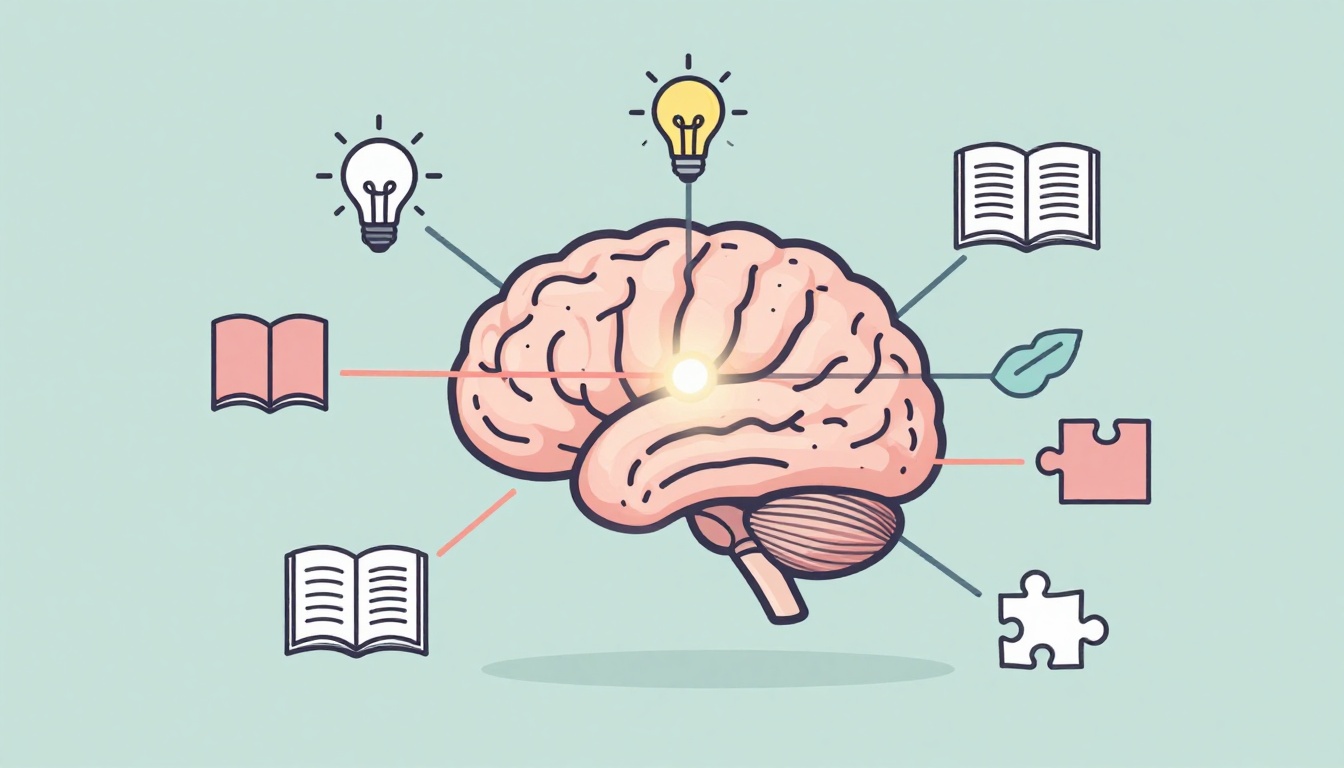
Picture this. You cram for a test with pages of linear notes. Hours later, most details slip away. Frustrating, right? Mind mapping changes that. Tony Buzan created it decades ago as a visual tool. You start with a central idea. Then branches spread out with keywords, colors, and images.
This setup turns flat lists into lively diagrams. Your brain loves it because ideas connect like a web. Studies back this up. One showed kids recalled 32% more words with maps than lists. Others note higher test scores and sharper creativity. Mind mapping fits how brains store and link info.
Ready to see why it works so well? Let’s break it down.
How Mind Mapping Matches the Way Your Brain Naturally Processes Ideas
Your brain doesn’t file facts in straight lines. It builds networks of associations. Mind maps do the same. They use a radial layout from a core topic. Branches fan out with short keywords. Colors and doodles add life. This mirrors neural pathways.
Linear notes force top-down thinking. They bore the mind. Maps encourage exploration. You link new facts to what you already know. For example, studying history becomes a tree. The trunk holds the main event. Twigs show causes, dates, and effects.
A 2002 study found medical students retained facts better with maps. They scored higher on recall tests. Because visuals stick. Kids and adults alike engage more. It suits visual learners best. But everyone benefits from active drawing.
Building Stronger Connections Between Concepts
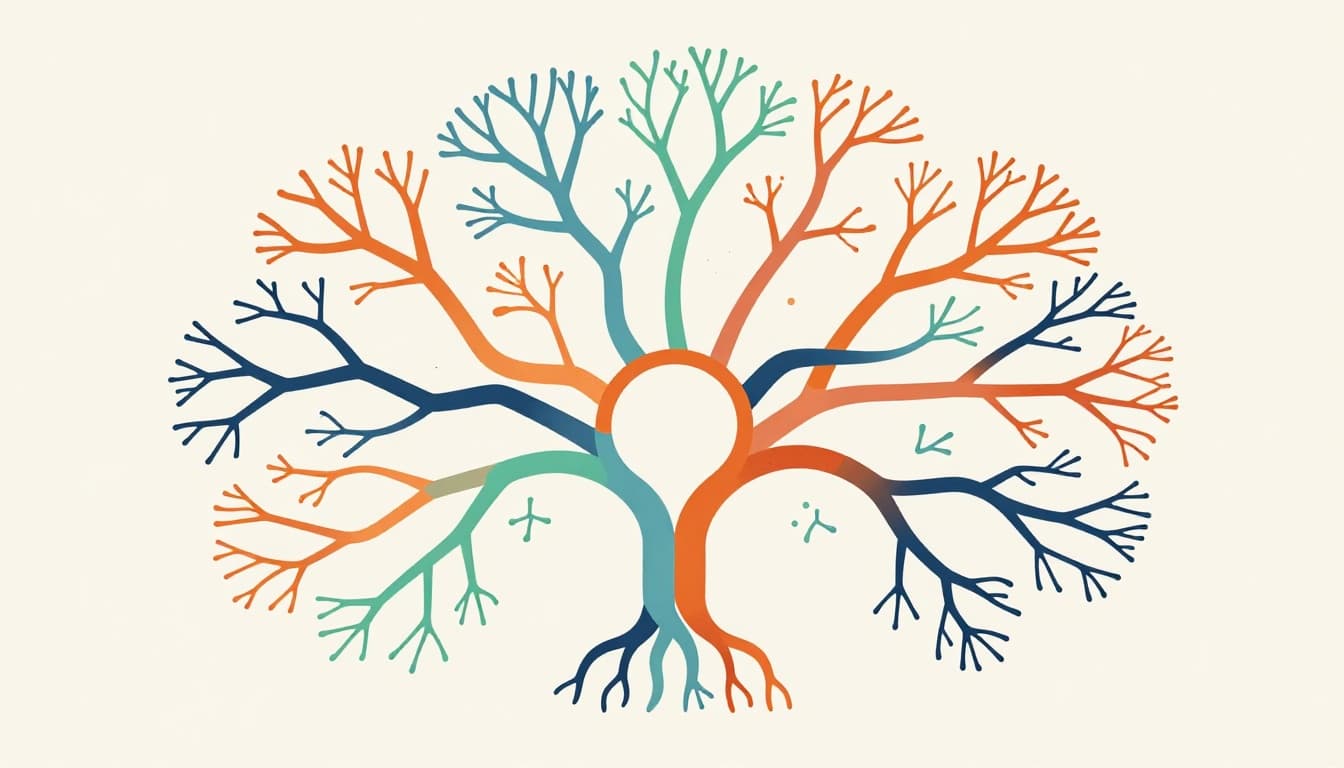
Branches show links clearly. You see how ideas relate at a glance. Tough subjects like medicine or tech simplify. Medical students mapped ECG patterns. Their short-term memory improved. Quiz scores jumped too.
Early education research agrees. Linking old knowledge to new builds deep understanding. E-business classes saw motivation rise. Complex topics break into chunks. Start central. Add main branches. Then details sprout.
This sparks neural ties. You grasp the whole picture. No more isolated facts.
Why Visuals and Colors Supercharge Brain Engagement
Pictures beat words for memory. Colors highlight key points. Abstract ideas turn concrete. A 2009 study with kids proved it. They recalled 32% more using maps over lists.
Creativity flows freer. Rigid outlines limit you. Maps invite play. Doodle an icon for “revolution.” Color battles red. Your mind stays hooked. Retention lasts longer. Because engagement trumps passive reading.
Check research on mind mapping in education for more proof.
Proven Benefits That Boost Memory, Creativity, and Test Scores
Mind mapping delivers real results. Studies pile up. Memory strengthens first. Then creativity sparks. Scores climb across subjects.
One key win: better recall. Students hold facts weeks later. A 2002 trial showed 10% gains in long-term memory. Kids remembered words vividly. Medical quizzes on ECGs improved sharply.
Organization follows. Ideas sort without effort. Essays gain detail. English learners boosted reading comprehension by 12.4 points. They connected themes fast.
Creativity thrives too. Writing classes produced richer stories. Group talks deepened. Tech assessments beat brainstorming alone.
All ages and skills progress. Students report fun over drudgery. A recent nursing study in 2026 confirmed it. Maps beat notes for knowledge and one-month retention.
Unlocking Better Recall and Long-Term Memory
Active creation cements info. Draw the map yourself. Test recall by rebuilding it. The 2009 kids study hit 32% better word memory. Farrand’s 2002 work echoed this for facts.
Passive lists fade fast. Maps engage multiple senses. See the color. Trace the branch. Recall surges.
Sparking Creativity and Organized Thinking
Essays fill with fresh details. Ideas generate quicker. Negotiations turn shallow notes deep. Tech classes motivate through visuals. Thoughts organize naturally.
Lifting Test Scores and Comprehension Across Subjects
Reading gains shine for English learners. GCE scores rose. Tech and clinical reasoning improve. Hard tests yield to maps.
See science-backed benefits here.
Real-World Wins from Classrooms and Everyday Use
Classrooms buzz with maps. Physical therapy students organize patient plans better. Early childhood teachers master concepts quick. Spanish classes mapped street food. Discussions deepened layers.
GCE English comprehension soared. Language culture tracked easy. Solo or groups, it fits. All ages win. “Fast and practical,” one teacher said.
In 2026, digital apps lead. XMind and Miro top US lists. AI builds maps from notes. Teams collaborate live.
Success in Group Learning and Class Projects
Spanish street food maps sparked talks. E-business groups stayed motivated. Ideas evolved together.
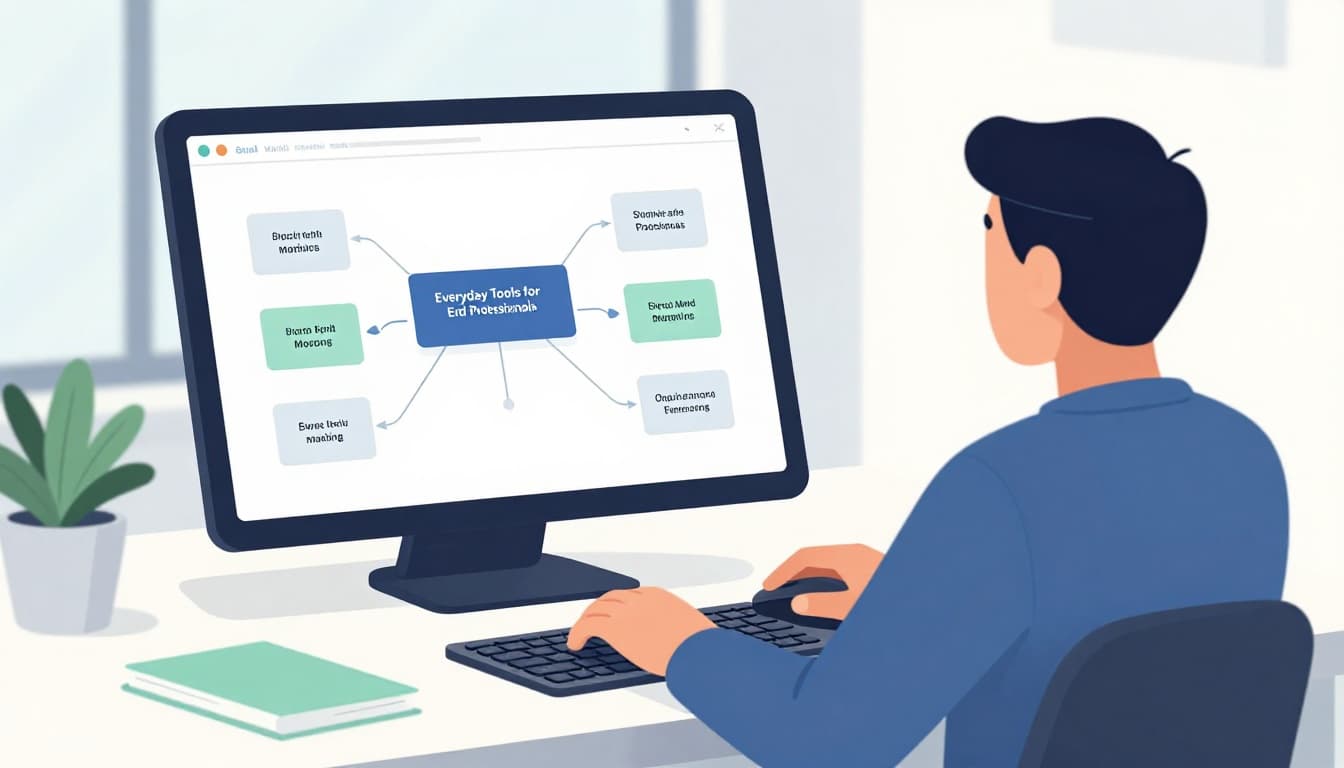
Everyday Tools for Students and Professionals
PT students planned clearer. Teachers prepped lessons fast. Start on paper. Switch to apps.
Try XMind for AI help. Or Miro for teams.
Mind mapping matches your brain’s wiring. It boosts recall, creativity, and scores with solid proof. From classrooms to desks, results stick.
Grab paper now. Map a tough topic. Or fire up XMind. Turn study woes into wins. What will you map first? Share in comments below.