You sit at your desk, staring at a blank digital screen. Ideas flicker in your mind, but they vanish before you type them. Sound familiar? Many people face this issue with apps and software.
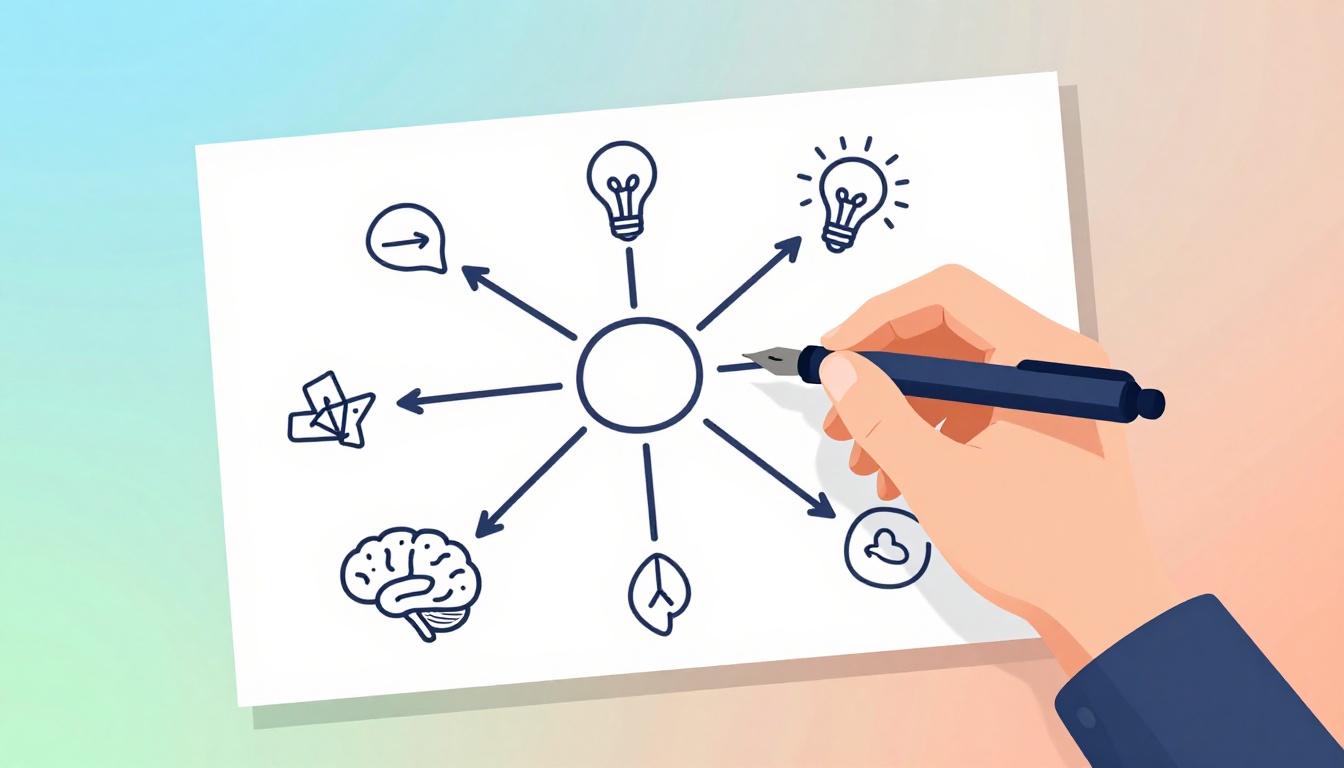
A handwritten mind map changes that. You draw a central idea on paper, then branch out with lines, words, and sketches. This simple act taps into your brain’s natural wiring.
In 2026, digital tools dominate work and school. Yet paper holds strong for personal thinking. Handwritten maps boost memory, spark creativity, and cut distractions. Science backs this up with fresh brain scans and tests. You’ll see why handwriting beats typing for deep solo work. Let’s explore these edges now.
Supercharge Your Memory with the Act of Handwriting
Handwriting sticks ideas in your brain better than typing. The physical motion of a pen builds stronger links for recall. You form letters with care, which fires up more neural paths.
Researchers in Norway used sensors on students’ heads. They compared handwriting to typing words. Handwriting sparked wider brain activity, especially in memory zones. Typing fell short on those connections.
For example, picture studying history dates. You jot a mind map by hand. Weeks later, details pop back easily. Digital notes often blur together.

Brain Science Shows Why Pen Beats Keyboard
Your brain lights up like fireworks during handwriting. It activates motor skills, sensation, and memory areas at once. Typing skips that full workout.
A Scientific American piece explains this well. Studies show handwriting processes info deeper. The hand’s precise moves create lasting traces. In contrast, quick keystrokes leave shallower marks.
Think of it as planting seeds by hand versus a machine. You nurture each one, so they grow stronger.
Real Tests Prove Better Learning Results
Classroom trials confirm the win. Students with hand-drawn notes scored higher on quizzes. A 2024 study in the Journal of Writing Research tested recall. Handwriting and drawing beat typing by wide margins.
Kids remembered facts longer with personal maps. Their own sketches made concepts stick.
Try this: Grab paper for your next exam prep. Start with a core topic in the center. Branch facts outward. You’ll notice recall improves fast.
Unlock Boundless Creativity That Digital Can’t Match
Paper lets ideas flow wild and free. You sketch curves, add doodles, or loop branches any way you like. No menus or templates box you in.
This matches how your brain connects thoughts. Organic shapes spark fresh links. Software often forces straight lines and grids, which stifle that spark.
Artists and writers love this. One brainstorm session on paper birthed a full project outline in minutes. Digital versions dragged with fiddly edits.

Draw Freely Without Tech Limits Holding You Back
Digital tools lock you into presets. Fonts stay uniform. Lines snap to grids. Paper ignores all that.
You curve a branch to show flow. Doodle an icon for fun. Ideas pour out faster. A blogger switched from apps to paper. Her creativity doubled; posts came alive with new angles.
Besides, no crashes or battery dies interrupt. Just smooth motion.
Add Your Unique Style to Make Ideas Truly Yours
Your colors and sketches turn maps into keepsakes. Red for urgent tasks. A quick face for emotions. This personal touch boosts joy and recall.
Visual learners thrive here. It fits varied styles, from linear to chaotic thinkers. Enjoyment keeps you engaged longer. In short, your map reflects you, not a program.
Find Deep Focus in a World Full of Digital Noise
Notifications ping. Tabs multiply. Digital mind maps invite endless tweaks. Paper silences it all.
You dive into flow state without apps pulling you away. Reflection deepens. Connections between ideas sharpen.
A writer blocked on a novel cleared her head with pen and paper. Hours flew by in calm focus. Typing sessions broke every 10 minutes.
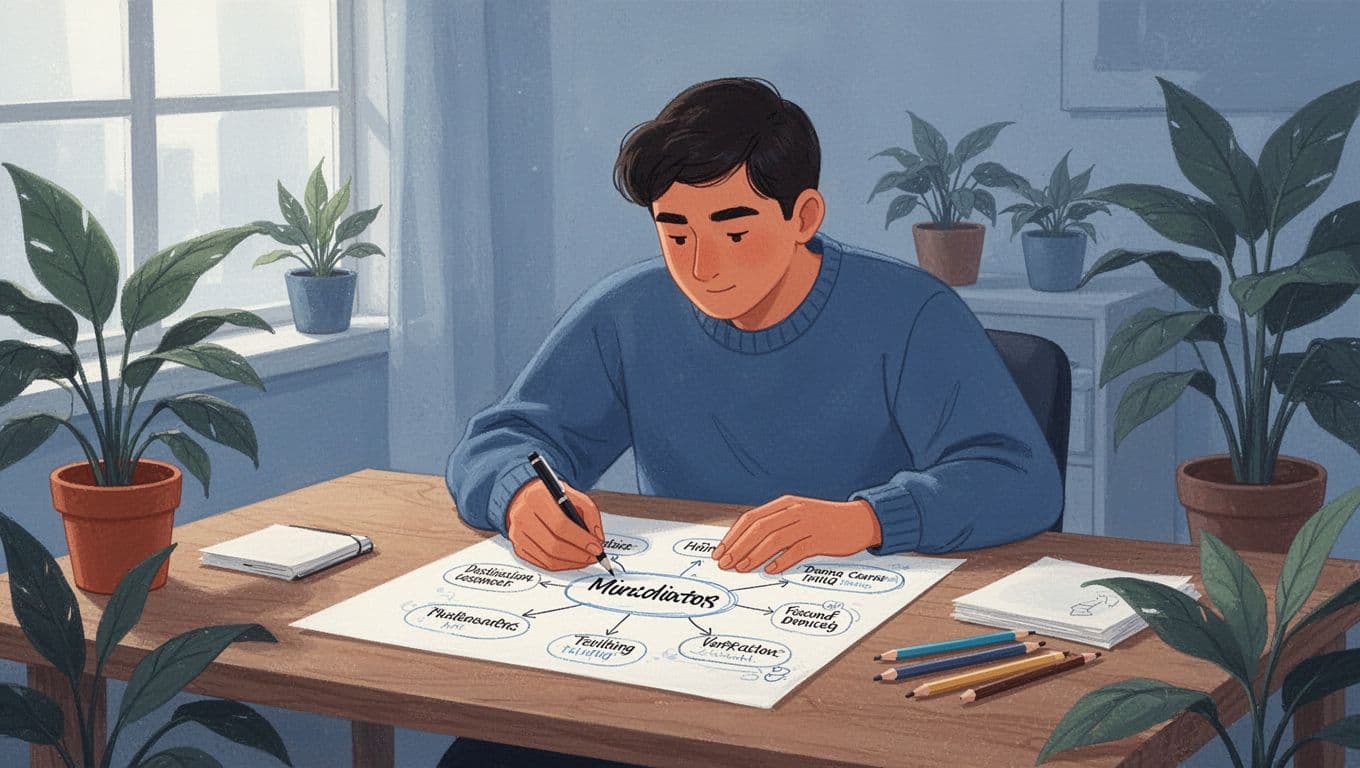
Handwriting demands presence. No scrolling or copying slows you. Studies link this to higher engagement. Your brain stays locked on the task. Meanwhile, screens scatter attention.
Quiet space leads to breakthroughs. Next time distractions hit, reach for paper first.
Fresh Studies Confirm Handwriting’s Edge in 2026
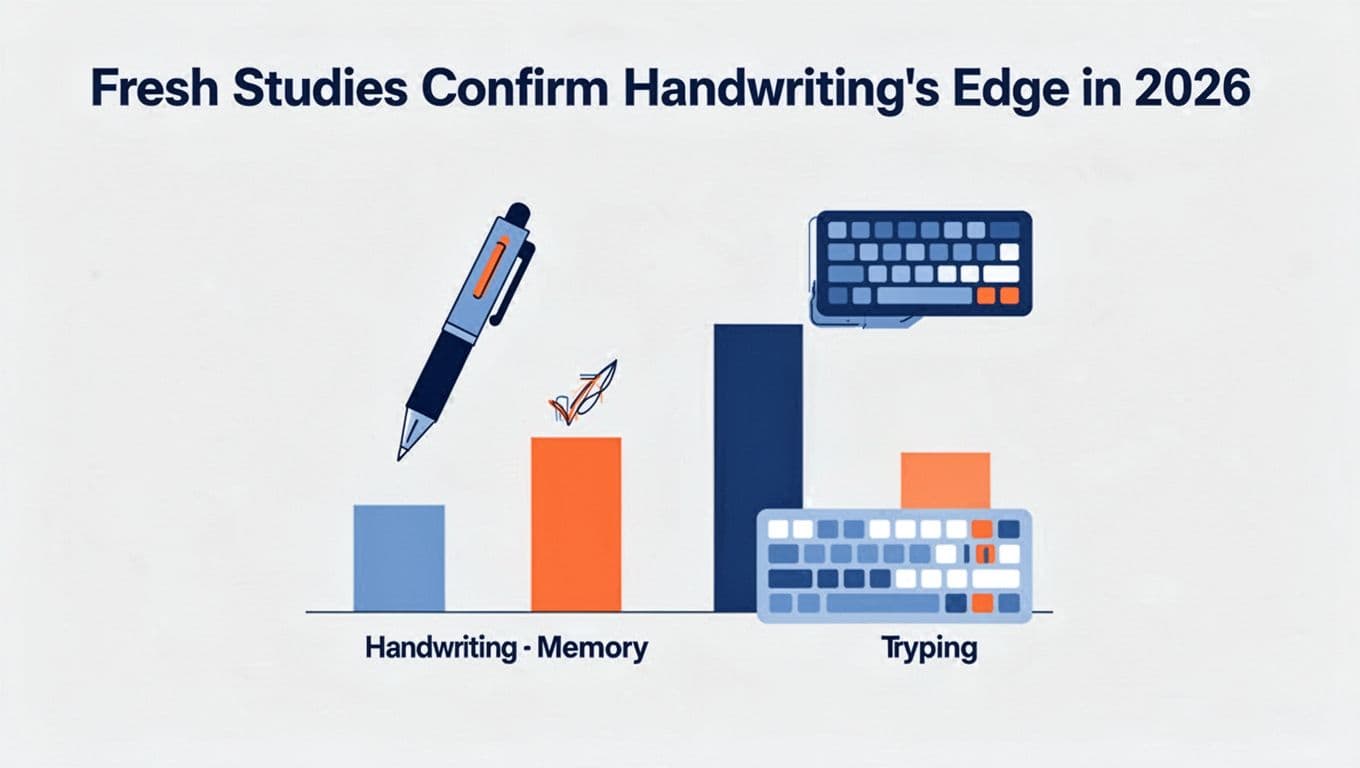
Brain research from 2024 to now favors handwriting. Scans show stronger networks for learning and recall. Typing lags in solo tasks.
Experts push hybrids: hand-draw for thinking, then digitize for teams. No big shifts in early 2026. Paper leads for personal gains, per NPR’s coverage.
Trends mix both tools. Hand maps shine for creativity and memory.
What Brain Scans and Tests Reveal Right Now
Sensors catch handwriting boosting connectivity. Memory and motor zones link tight. A hand-drawn mind mapping guide notes real-world perks too.
Students score 10-30% better on recall tests. Creativity flows freer without tech hurdles. As of April 2026, this holds for adults and kids alike.
Handwritten mind maps deliver real wins. They sharpen memory through brain activation. Creativity surges with freeform drawing. Focus thrives minus digital pings. Fresh studies seal the deal.
Pick up a pen today. Sketch a quick map for your next goal. Start small, maybe five branches. Blend with digital if it suits. Notice the difference yourself. Share your results in the comments. What will you map first?