You stare at a blank page for your next project. Ideas swirl in your head, but nothing sticks. Frustration builds because linear notes feel too rigid.
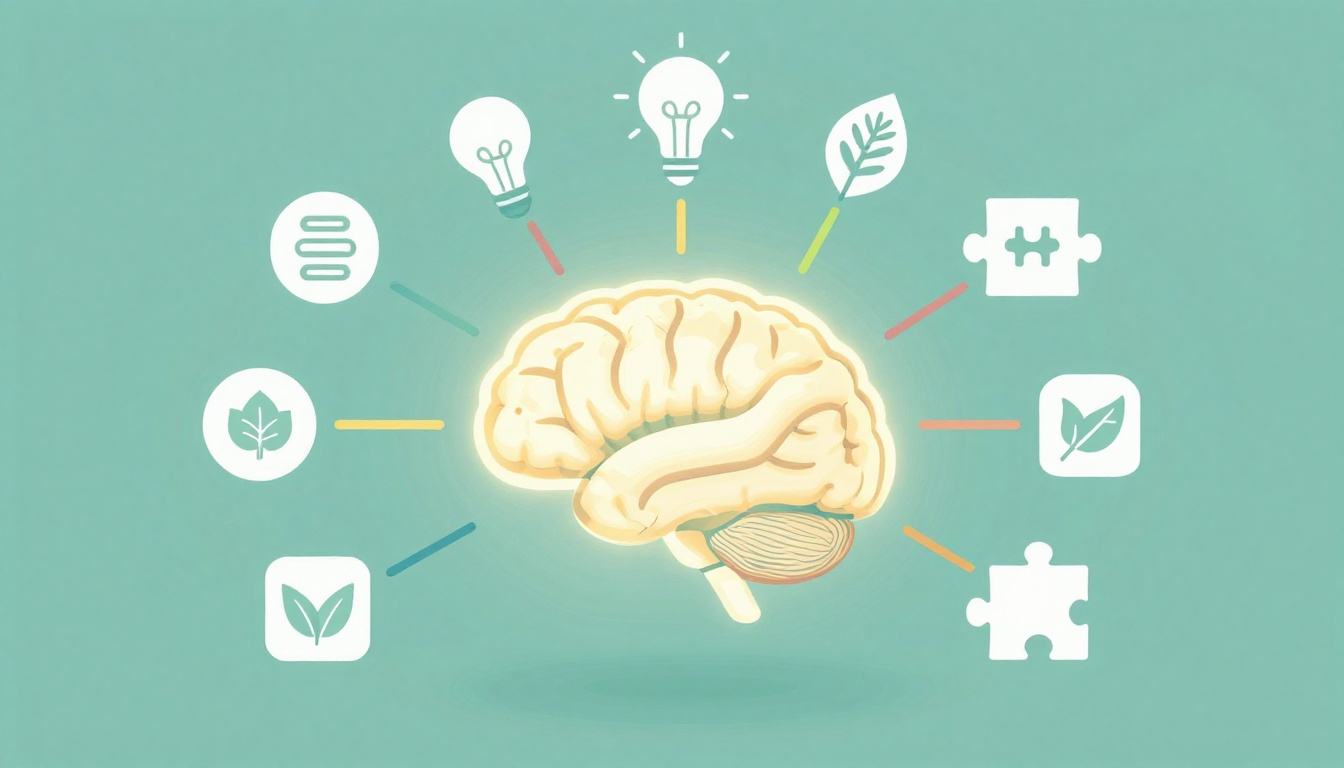
Mind maps offer a fix. They start with one central idea. Branches spread out like roots from a tree. Colors, images, and short keywords fill them in. This setup matches how your brain works. Thoughts connect in webs, not straight lines.
Science backs this up. Your brain processes visuals 60,000 times faster than text. Mind maps tap that speed. They spark fresh links, sharpen recall, and smash blocks. Students use them for essays. Pros plot strategies. Anyone gains from this tool.
This post shows why mind maps align with brain science. You will see five clear ways they fire up ideas. Follow simple steps to build one. Check real examples and skip traps. Ready to turn chaos into clear paths?
Why Mind Maps Fit Perfectly with How Your Brain Sparks Ideas
Your brain thinks in bursts and links. Straight lists force order too soon. Mind maps let ideas flow radial. Picture a central node. Curved branches shoot out. This mirrors neurons firing across your mind.
Cognitive psychology supports it. Visuals boost processing speed. They engage spatial skills for new views. No big new studies hit in 2025 or 2026. Yet solid brain research holds firm. For instance, mind map psychology research explains how visuals unlock thinking power.
Think of a tree. The trunk holds your main goal. Limbs grow wild. Leaves add details. Judgment waits. Ideas multiply free.

The Visual Magic That Makes Ideas Stick
Colors grab attention. Images trigger memories. Keywords keep it quick. Plain text fades fast. Visuals create hooks.
Research shows pattern spotting leads to insights. Dual coding theory fits here. Words plus pictures double retention. You link cause to effect easy. Fresh angles pop up.
In short, visuals make ideas stick and grow.
Training Your Right Brain for Creative Flow
Logic rules the left brain. The right handles space and feelings. Mind maps wake it up. You switch between facts and hunches.
This mix solves tough spots. Problems feel less stuck. Creativity flows because you see the whole picture. Branches let you play without rules.
Five Key Ways Mind Maps Ignite Creativity
Mind maps crush common slumps. They welcome wild thoughts. You spot hidden ties. Recall sharpens. Big tasks shrink. Flexibility builds.
First, they capture every spark. No idea gets lost. Second, branches reveal surprises. Third, visuals lock in details. Fourth, chunks break walls. Fifth, paths adapt as you go.
Early 2026 studies confirm gains. College writers improved structure and flow. Designers kept energy high. Kids coded with more flair.
Capture Every Wild Thought Without Limits
Brainstorming stalls on judgment. Mind maps say yes to all. Jot silly notions first. Branches hold them safe. Original gems emerge later.
You fill the page fast. No blank stare. Flow takes over.
Spot Connections That Lead to Breakthroughs
Straight notes hide links. Branches cross paths. Suddenly, solutions click. Like mapping user pains for a fix.
One branch sparks another. Innovation happens.
Remember More and Recall Faster
Visual cues beat lists. Colors flag priorities. Images paint stories. Students ace tests. Planners track goals.
Recall speeds up. You pull ideas when needed.
Mind maps also chunk big problems. Main branches split tasks. Details nest inside. Overwhelm fades. You tackle one arm at a time.
Finally, they build bendy thinking. Add or shift branches easy. Plans evolve. Stiffness gone.
Step-by-Step Guide to Crafting Mind Maps That Spark Genius
Start simple. Grab paper or a tool. Follow these five steps. Keep it radial and fun.
- Pick your central idea. Use one bold word or phrase. Color it bright. Place it dead center.
- Add first branches. One keyword each. Draw curves out. Sketch quick images.
- Layer more. Thicker lines for big points. Colors group themes. Let branches bend free.
- Grow with tools. Try apps like XMind or free mind mapping software picks. They share easy.
- Review and tweak. Step back. Add crosses. Update over days.
This process frees your mind. Ideas branch natural.

Tools That Make It Easy and Fun
Paper works first. Go digital for edits. Canva offers templates. MindMeister shares real-time. XMind handles big maps.
Free options abound in 2026. Pick one with drag-drop. Start a blank canvas. Watch ideas bloom.
Real-World Wins and Traps to Skip for Max Results
Designers map user flows. Teams web product launches. Students outline essays. Planners scan projects.
A teacher used AI mind maps for lessons. Kids planned active. Engagement soared. Pros built roadmaps from chaos.
Check mind map examples for pros and students. They turn mess to action.

Inspiring Stories from Everyday Creators
One designer sketched pains. Branches linked fixes. A green app born.
Students mapped syllabi. Exams felt mapped. Scores jumped.
A team projected branches. Meeting ideas stuck. Project flew.
Planners overviewed goals. Branches showed gaps. Plans sharpened.
Pitfalls That Kill Your Creative Buzz and How to Dodge Them
Skip these slips:
- Full sentences crowd space. Stick to keywords. Breath room sparks links.
- No colors or pics. Add them quick. They wake recall.
- Judge early. Let silly stay. Gems hide there.
- Go linear. Curve branches. Mimic brain flow.
- Forget review. Circle back. New ties appear.
Fixes keep buzz alive.
Mind maps boost you with science-backed visuals. They spark links, lock memories, and bend plans. Simple steps get you started. Real wins prove it works.
Grab paper now. Map one idea today. Share your map in comments. What grew? Anyone boosts creativity this way. Build your idea web over time. Sparks wait.
(Word count: 1,482)