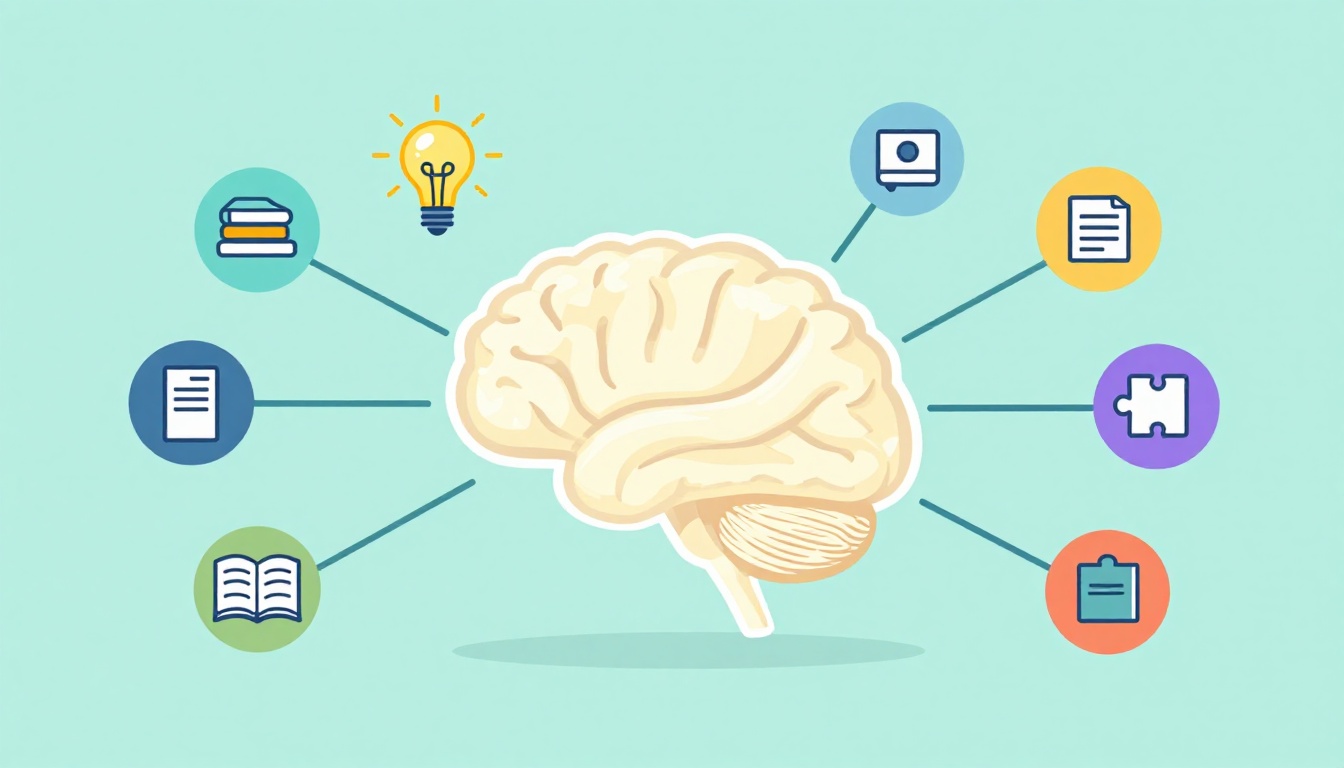
You blank out on a key fact right before your big presentation. Or you cram for hours, only to forget half the material by test time. These moments frustrate anyone who wants sharper recall.
Mind mapping offers a fix. This visual tool starts with a central idea. Branches radiate out with keywords, colors, and images. It turns flat notes into connected diagrams your brain loves.
Unlike dull lists, mind maps mimic how you think. They boost understanding and make info stick longer. In this post, you’ll see what mind maps are, the science that backs them, real benefits, a simple guide, and tips to avoid pitfalls. Let’s build better memories together.
What Is Mind Mapping and Why It Beats Linear Notes
Tony Buzan popularized mind mapping in the 1970s. He saw students struggle with straight-line notes. So he created diagrams that match the brain’s natural flow. For details on Buzan’s invention of mind mapping, check his early work.
Picture this: a bold image or word in the center. Thick, curved lines branch to main ideas. Thinner lines add details. Colors group topics. Doodles spark interest. No long sentences, just punchy keywords.
Linear notes force info into rows. They overload your short-term memory. You lose the big picture fast. Mind maps let you see everything at once. Connections pop out. Recall improves because your eyes scan the whole structure quickly.
Here’s a basic example. Start with “Project Plan” in the middle. Blue branch for “Tasks,” green for “Team,” red for “Deadlines.” Add icons like clocks or people. Sub-branches list steps. This setup feels fun and intuitive.

In short, mind maps save time. They cut study sessions while sharpening focus. You grasp links others miss.
Core Elements That Make Mind Maps Visual and Fun
Every strong mind map shares key parts. The central node grabs attention. Make it big and colorful, like a drawn apple for “Nutrition.”
Main branches curve outward. Keep them thick at first, then taper. This shows hierarchy naturally. Use one color per branch, say yellow for goals, purple for challenges.
Icons and doodles add zip. A lightning bolt means “urgent.” Stars highlight wins. These visuals trigger emotions and memories faster than words alone.
Skip full sentences. Single keywords work best because they force your brain to fill gaps. This builds stronger neural ties.
Your brain thinks in radial patterns, not lines. Mind maps follow that. Start on letter-size paper for focus. Or try digital apps later. The result? Info feels alive, not buried in text.
The Science Behind Mind Maps and Stronger Memories
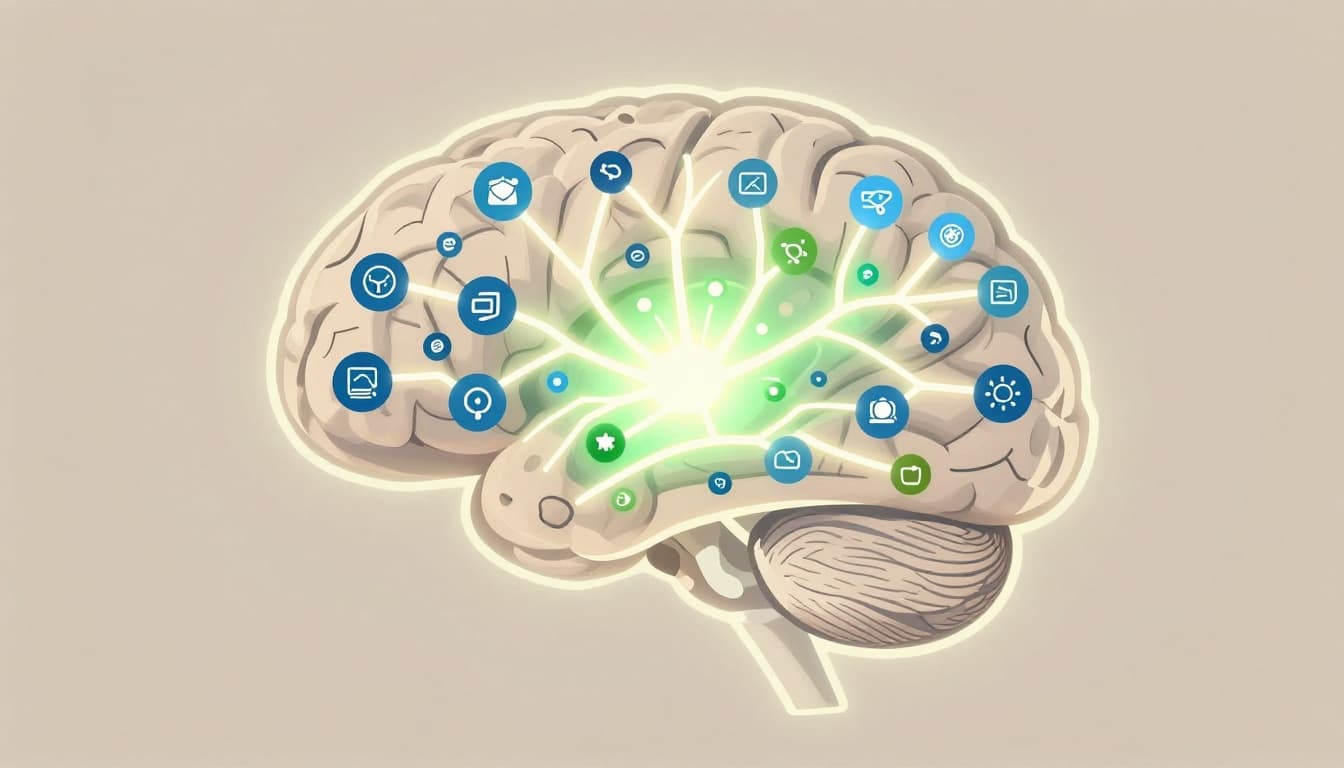
Your brain thrives on pictures and links. Mind maps deliver both. They use dual coding: words pair with images. This fires up more areas during learning. Deeper processing means better storage.
Chunking helps too. Big topics break into small visuals. Working memory handles less load. You focus on relations, not rote facts.
Associations build the magic. One branch links to another. This sparks neural paths for long-term recall. Think of it as a web, not isolated dots.
A February 2026 University of Nottingham study used fMRI scans. It found semantic and episodic memory overlap in brain activity. For more, see the EurekAlert summary. Visuals like mind maps likely bridge these by creating vivid stories.
A University of Mississippi study that March showed storytelling beats other memory tricks. Read about it here. Mind maps create similar narratives through branches.
No direct 2026 trials test mind maps yet. But logic and past data align. Recent work confirms visuals boost retention up to 30%.
How Visuals and Connections Rewire Your Brain Pathways
The hippocampus loves stories and scenes. Mind maps feed it images tied to ideas. This strengthens links for quick access later.
Cognitive load theory backs this. Visuals offload text-heavy work. Your mind processes faster.
From evolution, humans recall pictures and tales best. Caves held drawings, not lists. Mind maps tap that instinct. Colors signal categories. Icons evoke feelings.
Result? Fewer forgotten details. Pathways grow robust with practice.
Real Benefits of Mind Mapping for Everyday Memory Wins
Mind maps deliver quick gains. Older studies show 10-15% better recall. You study less, remember more. Cross-links spark fresh ideas too.
Students map lectures. Pros outline talks. Anyone tracks goals. The visual overview sticks.
In addition, creativity flows. Branches reveal patterns. Facts lock in amid new thoughts.
Sharpen Recall for Exams and Presentations
Picture cramming biology. Map “Cell Structure” in center. Branches for nucleus, mitochondria. Quiz by covering tips. Instant review beats flipping pages.
Pros use them for pitches. See audience reactions in branches. Nerves fade; confidence rises.
Build Lasting Habits and Goal Tracking
Fitness plan? Center “Get Fit.” Branches for workouts, meals. Check off wins visually. Forgetting drops because progress shows.
Projects stay on track. Daily glances reinforce steps.
Spark Creativity While Locking in Facts
Free-form maps loosen thinking. A history lesson branches to modern ties. Retention holds; insights multiply.
Your Step-by-Step Guide to Mind Mapping for Top Retention
Ready to try? Follow these steps. Practice builds skill fast.
- Pick your central theme. Write or draw it bold in the middle. Use an image if possible.
- Brainstorm main ideas. Draw 4-7 thick branches. Curve them outward.
- Add sub-details. Thinner lines for facts, examples. Limit to keywords.
- Color code everything. One hue per category. Blues for logic, greens for growth.
- Connect across branches. Lines show links. This boosts memory webs.
- Insert images or icons. Simple doodles work wonders.
- Review and test. Cover sections. Recall aloud.
- Digitize for edits. Scan or rebuild in an app.
A beginner template: “Study Topic” center. Branches for who, what, why, how.

Tools and Templates to Get Started Fast
Grab paper and pen first. No cost, full control. Then explore free apps. See top free mind mapping software for 2026.
MindMeister offers collaboration. Canva suits beginners. Lucidchart handles complex maps.
Starter template for “Daily Learning”: Center “Today.” Branches for subjects, key facts, questions.
Avoid These Traps to Make Your Mind Maps Truly Effective
Too many words clog branches. Stick to keywords. Fix: Rewrite ruthlessly.
Skip colors or images? Maps turn dull. Add them for pop.
Overcrowd the page. Limit to one sheet. Zoom out view.
Forget reviews. Daily peeks cement recall. Set reminders.
These tweaks make maps powerful. You’ll see results soon. Keep going.
Mind maps transform scattered notes into lasting memories. Visuals and links make info stick like glue. That forgotten fact? It stays now.
Grab paper today. Map your next meeting or study topic. Notice sharper recall fast.
Share your first map in the comments. What surprised you? Subscribe for more brain hacks. Your memory thanks you.